
Choosing Plumbing Material: What’s the Difference?
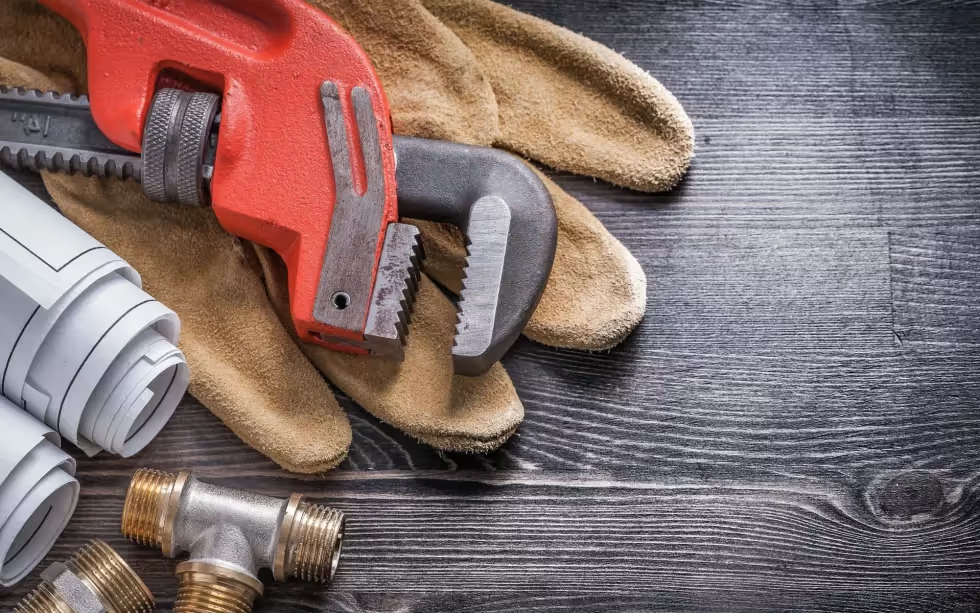
When it comes to building or renovating a home, one of the most important decisions homeowners and contractors must make is selecting the right plumbing materials. The materials you choose can impact the efficiency, durability, cost, and overall performance of your plumbing system. Whether you’re dealing with a new construction project or an upgrade, it’s crucial to understand the different types of plumbing materials available and their pros and cons.
In this blog, we will dive deep into the most common plumbing materials used in residential plumbing, discuss their benefits and drawbacks, and help you decide which material is best suited for your needs. With an emphasis on quality, reliability, and long-term performance, this guide will provide valuable insights for homeowners, property managers, and contractors in the Phoenix & East Valley area.
1. Copper Pipes
Copper has long been a go-to material for residential plumbing due to its durability, corrosion resistance, and ability to handle both hot and cold water. It is widely used in water supply systems and is known for its long lifespan.
Benefits:
- Very long lifespan (50+ years)
- Resistant to corrosion and bacteria
- Handles high temperatures
Drawbacks:
- Expensive compared to alternatives
- Requires skilled installation
- Can be affected by hard water over time
2. PEX (Cross-Linked Polyethylene)
PEX piping is flexible plastic tubing that has become extremely popular in modern plumbing systems due to its affordability and ease of installation.
Benefits:
- Flexible and easy to install
- Cost-effective
- Resistant to freezing damage
Drawbacks:
- Not UV resistant
- May not be ideal for outdoor exposure
3. PVC (Polyvinyl Chloride)
PVC is commonly used for drain, waste, and vent systems. It is lightweight and widely used in residential plumbing.
Benefits:
- Affordable
- Corrosion-resistant
- Easy to install
Drawbacks:
- Not suitable for hot water
- Can crack in extreme cold
4. CPVC (Chlorinated Polyvinyl Chloride)
CPVC is similar to PVC but treated to handle hot water applications.
Benefits:
- Suitable for hot and cold water
- Affordable
- Resistant to corrosion
Drawbacks:
- Becomes brittle over time
- Less flexible than PEX
5. Galvanized Steel Pipes
Once common in older homes, galvanized steel is now mostly outdated due to corrosion issues.
Benefits:
- Strong and durable when new
- Handles high pressure
Drawbacks:
- Rust and corrosion over time
- Reduced water flow
- Often replaced in modern homes
6. Cast Iron Pipes
Cast iron is mostly used for drainage systems and sewer lines in older or commercial properties.
Benefits:
- Extremely strong
- Good noise reduction
Drawbacks:
- Heavy and difficult to install
- Prone to internal corrosion
- Expensive to repair
Choosing the Right Plumbing Material for Your Home
When choosing plumbing materials, consider:
- Budget
- Water quality in your area
- Hot vs cold water needs
- Installation complexity
Conclusion
Choosing the right plumbing material is essential for building a reliable and efficient plumbing system. Whether you choose copper, PEX, CPVC, or PVC, each material has specific advantages depending on your home’s needs.
At Desert Pioneer Plumbing, we provide expert plumbing installation and consultation services in the Phoenix & East Valley area. Our team ensures your plumbing system is built with the right materials for long-term performance and reliability.
📞 Call us today at +1 602-881-4361 for professional plumbing services you can trust.


.avif)
